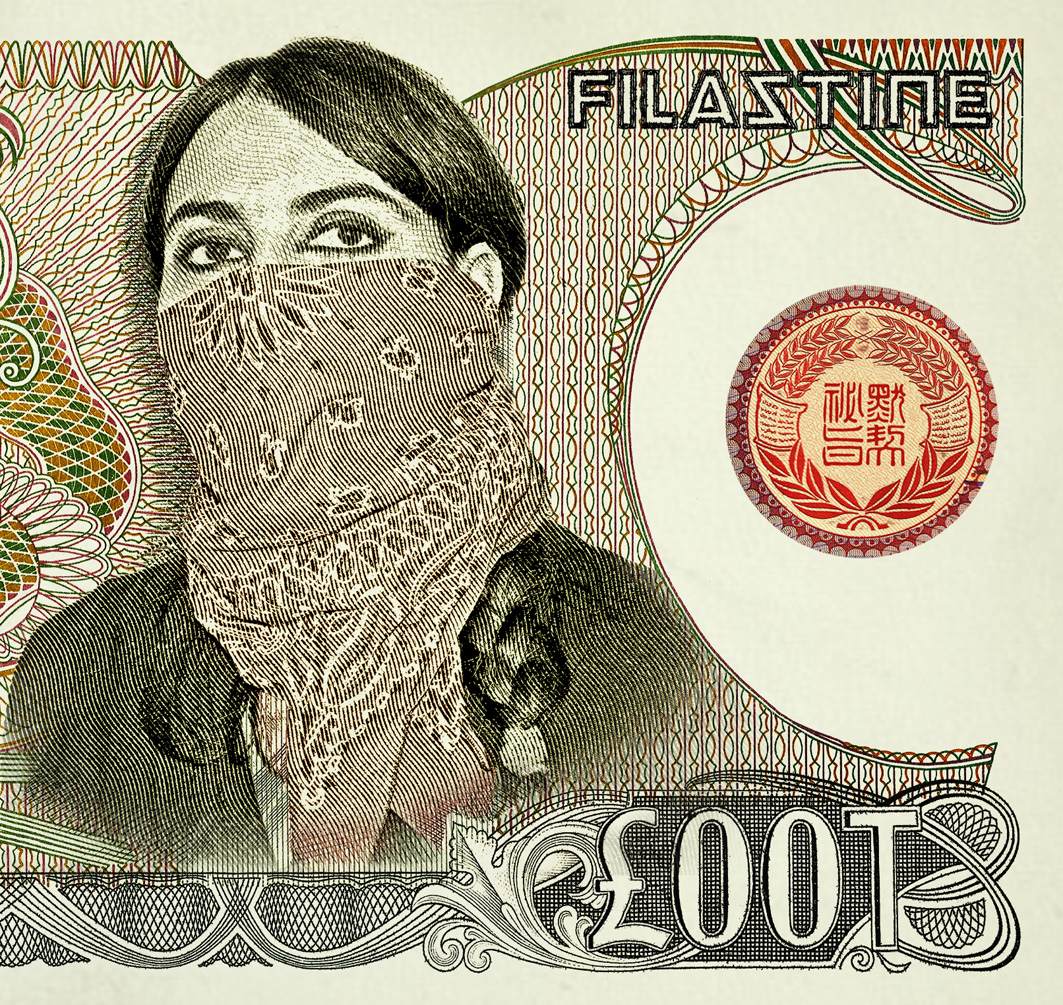
Jakarta Globe, May 14, 2012
When electronic artist Grey Filastine was mixing his latest album “Loot,” a revolution of sorts was taking place outside his studio window.
“If I opened the window, I would hear cheers and yelling, people banging on pots and pans, helicopters overheard. It was a super-intense thing to live through,” he said.
Grey’s studio in the Catalan quarter of Barcelona was in the midst of the Indignados uprising last year, when thousands of people took to the streets and plazas across Spain to protest the state of the country’s economy and politics.
More than 20 years after the fall of General Francisco Franco’s dictatorship, Spain is still struggling to achieve the free governance and fair distribution of resources that the people long for.
It’s not hard to draw the parallels with Indonesia, where people are still struggling to face the country’s uncertain future, and its painful past under the authoritarian rule of General Suharto.
Singer Nova Ruth, from Malang in East Java, brings the voice of Indonesia to “Loot” on two tracks: “Colony Collapse,” which was released as an EP in February, and “Gendjer2,” released along with the album just last month.
The first explores both natural and human-made disaster areas in the archipelago, from the Lapindo mud volcano near Nova’s home in East Java to the scorched slopes of Mount Merapi in Central Java and the sprawling waste heaps on the outskirts of Jakarta.
The second touches a political nerve, bringing back a tune that was banned during the New Order for its connection to the Indonesian Communist Party (PKI).
Gendjer, or genjer, is a bland-tasting plant that grows wild in the rivers of Java. It is seen as a last resort for those too poor to buy vegetables. “Genjer-genjer,” a tune written by East Javanese songwriter Muhammad Arief in the 1940s about poverty in the town of Banyuwangi, later became a rallying cry for the PKI to recruit new members.
In 1965, when Suharto took control of the country after claiming to have stopped a communist coup, the song was banned for its connection to the PKI.
Nova and Grey bring back the melody in their track “Gendjer2,” assisted by members of Yogyakarta arts collective Taring Padi. Their version is a warm, layered take on the original, filled with sliding strings and humming harmonies.
“I wanted to sing it mainly because the song is really beautiful,” Nova said. “But also because it’s a symbol of a history that must be revealed.”
For many Indonesians, the tune about harvesting, selling and cooking the river weed took on a more sinister tone when it was used in the 1984 government propaganda film “Pengkhianatan G30S/PKI” (“The Treason of the PKI’s September 30 Movement”), which was compulsory annual viewing at schools throughout the New Order era.
The anti-communist purges are still a sensitive topic in Indonesia, 14 years after the fall of the New Order. But Grey said that in his adopted home of Spain, it took much longer for people to come to terms with the bloodshed that ushered in Franco’s regime, which fell apart after the dictator’s death in 1975.
In one of the latest moves for reconciliation, the Spanish government last year released a map showing the locations of more than 2,000 mass graves from the time of the Spanish Civil War.
“They’re excavating the mass graves, they’re going through the political process of changing the history books, of removing big statues of Franco, like all of that stuff is just now happening. I mean come on, does it take that long?” Grey said. “So there could be a long period of adjustment after Suharto as well. ”
Spain and Indonesia are not the only countries touched on by “Loot,” which draws together sounds from places as far-flung as Morocco, Japan and Brazil, in a mixture of hip-hop, dubstep and world music styles.
“I’ve been moving around constantly for years and years, and I’ve noticed the commonalities around the world: musically, politically and socially,” Grey said.
For Grey, the uprising outside his studio window while compiling the album was a symptom of a growing global disaffection with the state of politics and trade.
“Spain is like a model of like 20 years on, of what things could be like in Indonesia,” he said. “And you know it’s interesting to be part of that process of normalization, of reversing history and re-informing. It’s a very complicated thing to do.”

 Catriona Richards
Leave a comment